

Alphabet Bird Project 2021 - part of the Geelong Nature Forum
About the Alphabet Bird Project
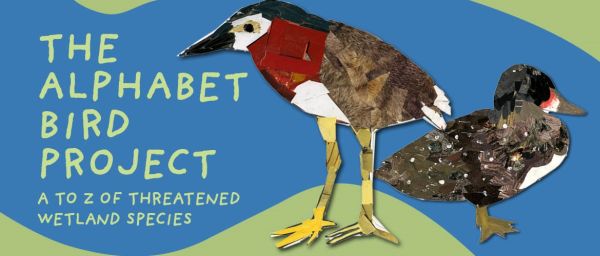
The Alphabet Bird Project is an environmental art initiative, for year four students across Geelong, to create art works that feature 26 waterway and wetland birds threatened in the Geelong Region.
A selection of these artworks will be displayed during the Geelong Nature Forum held in the 2021 September school holidays at the National Wool Museum (NWM) Geelong.
This is the second year of the Alphabet Bird Project. In 2020, 27 schools expressed interest and over 775 brilliant art works were created. Due to the COVID19 pandemic the Geelong Nature Forum was rescheduled. It is planned that 100 artworks from 2020, representing all participating schools and the 26 birds will be displayed this year along with new artworks from 2021.
This initiative aims to engage school students and their families in understanding the nature and biodiversity of our waterways and wetland areas and in particular to draw attention to the needs of threatened bird species. It is a joint project supported by the Geelong Field Naturalists Club and the City of Greater Geelong.
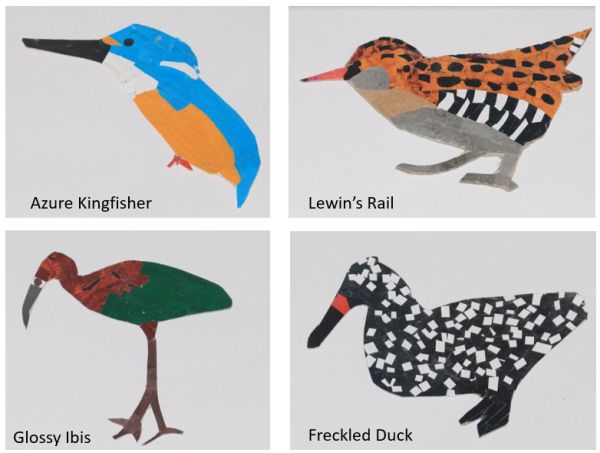
Examples of art work from the Alphabet Bird Project in 2020, helping to raise awareness of threatened wetland bird species living in the City of Greater Geelong.
View a selection of art works by year 4 students in 2020
Geelong Nature Forum
The Alphabet Bird Project, is part of the Geelong Nature Forum, an exciting event showcasing Geelong’s natural wonders to the community through a series of nature based activities, presentations and displays. In 2020, the theme of the Forum will be “Where the Rivers Run” with a focus on the animal and plant life of the Geelong region's rivers, creeks and wetlands. The Forum is particularly keen to engage with young people.
An A-Z of threatened wetland species found in the City of Greater Geelong.
26 species of birds occurring in wetland & riverine environments in the City of Greater Geelong. Their threatened status is identified under;
- Advisory List of Threatened Vertebrate Fauna in Victoria 2013
- Victorian Flora & Fauna Guarantee Act 1975 (FFG Act)
- Australian Environment Protection Biodiversity Conservation Act 1999 (EPBC Act)
Victorian conservation status | ||
|---|---|---|
| EX | Extinct | when the last known individual of the species has died. |
| RX | Regionally Extinct | when the last known individual of the species has died in a defined region (e.g. Victoria). |
| EW | Extinct in the Wild | when a species is no longer is found in the wild and only known to survive in captivity. |
| CR | Critically Endangered | a species facing an extremely high risk of extinction in the wild. |
| EN | Endangered | a species facing a very high risk of extinction in the wild. |
| VU | Vulnerable | a species facing a high risk of extinction in the wild. |
| NT | Near Threatened | a species likely to qualify for a threatened category into the near future. |
| DD | Data Deficient | more information required with a possibility that future research will show that threatened classification is appropriate. |
Australasian Bittern
Botaurus poiciloptilus
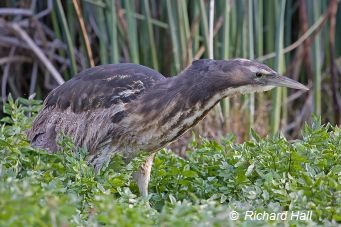
Endangered - Listed under FFG Act, Endangered under EPBC Act. Image courtesy of Richard Hall.
You may not see me, but you can hear my distinctive booming call.
Found in the Begola Wetland. View on e-Bird; View on SWIFFT
Australian Little Bittern
Ixobrychus minutus
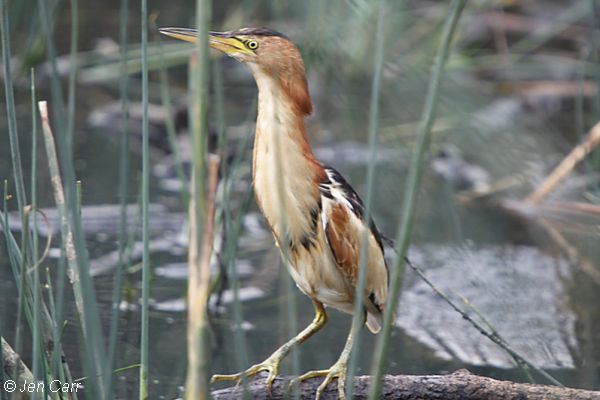
Endangered - Listed under FFG Act. Image courtesy of Jen Carr.
I am one of the smallest herons in the world.
Found at the Blue Waters Lake. View on e-Bird.
Australian Painted Snipe
Rostratula australis
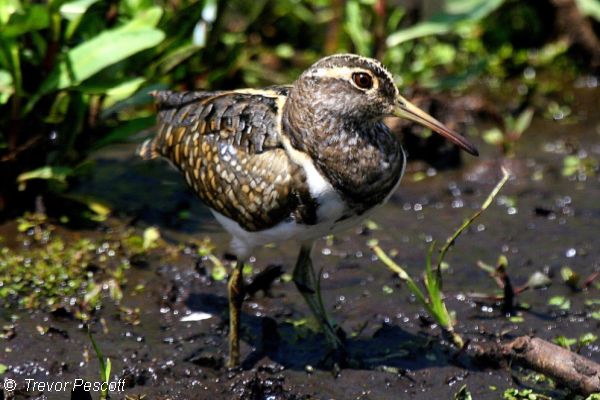
Critically Endangered - Listed under FFG Act, Endangered under EPBC Act. Image courtesy of Trevor Pescott.
I lay 3-4 cream coloured eggs with black streaks.
Known to have been found at Cherry Swamp near Little River and Hospital Swamp. View on e-Bird.
Australasian Shoveler
Anas (Spatula) rhynchotis
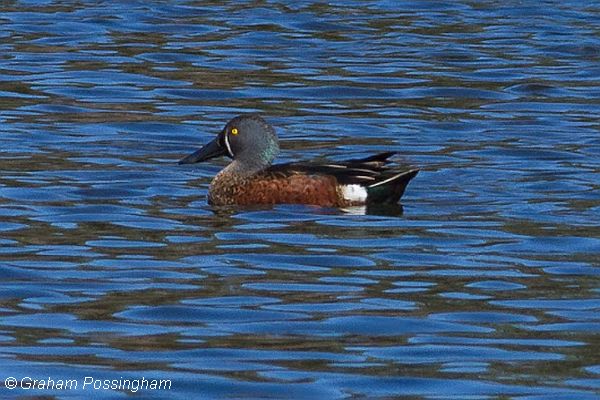
Vulnerable. Image courtesy of Graham Possingham.
I filter food from the water, using small grooves, on my shovel tipped bill.
Found at McLeods Waterhole, Lake Lorne, Blue Waters Lake, Begola Wetland and Bonnyvale Road Wetland. View on e-Bird.
Azure Kingfisher
Ceyx azureus (Alcedo azurea)
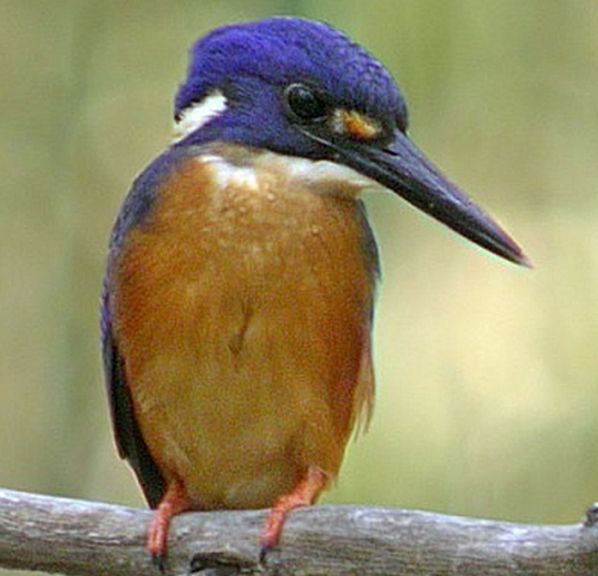
Near Threatened. Image courtesy of Tony Wilson.
My feet are red with only two forward toes.
An uncommon species which may be found near the You Yangs, Barwon River and Warn Ponds Valley Park. View on e-Bird; View on SWIFFT
Baillon's Crake
Zapornia pusilla (Porzana pusilla)
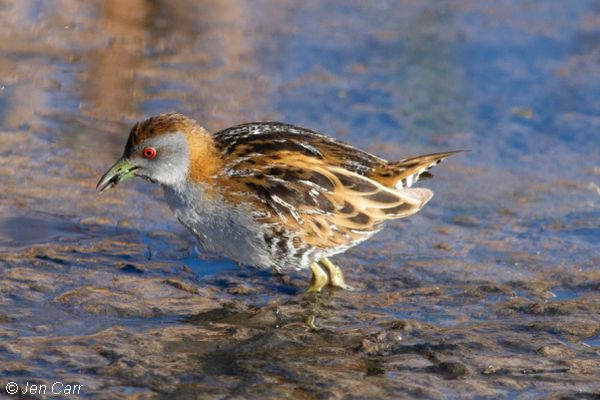
Vulnerable - Listed under FFG Act. Image courtesy of Jen Carr.
When I run, I have a peculiar crouching posture.
Found at Begola Wetland and Blue Waters Lake. View on e-Bird
Blue-billed Duck
Oxyura australis
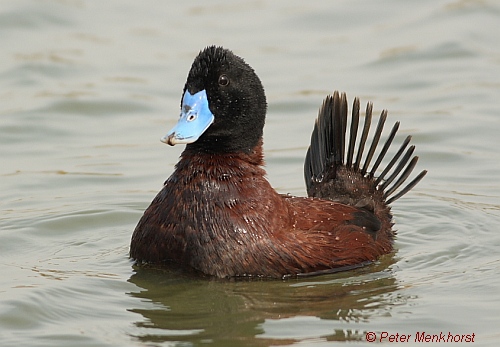
Endangered - Listed under FFG Act. Image courtesy of Peter Menkhorst.
I dive deep underwater to filter food from soft mud.
Found at McLeods Waterhole, Lake Lorne, Lake Victoria and Begola Wetland. View on e-Bird; View on SWIFFT
Brolga
Antigone rubicunda (Grus rubicunda)
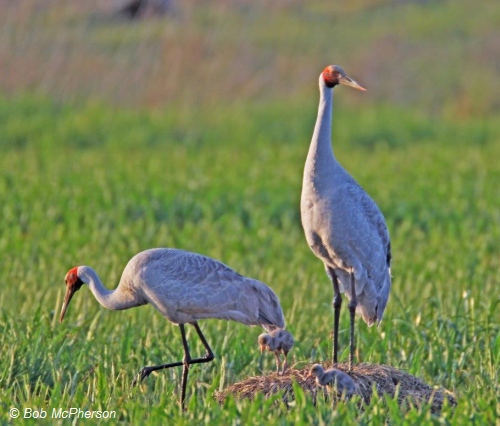
Vulnerable - Listed under FFG Act. Image courtesy of Bob McPherson.
I dance gracefully at mating season.
Found at Sparrovale, Hospital Swamp and Reedy Lake. View on e-Bird; View on SWIFFT
Eastern Great Egret
Ardea alba (Ardea modesta)
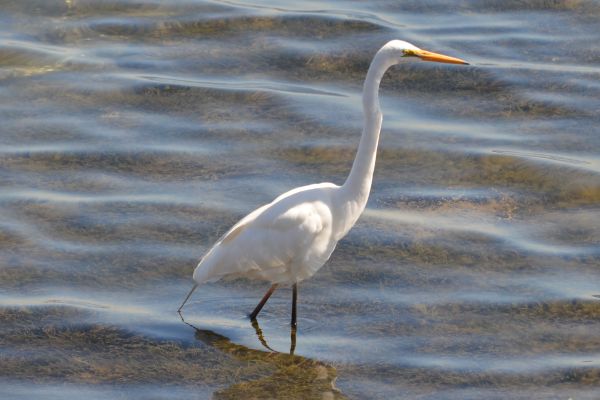
Vulnerable - Listed under FFG Act. Image courtesy of Ron Clissold.
My yellow bill turns black during the breeding season.
Found at Lake Connewarre, Reedy Lake, northern shore Corio Bay, Hospital Swamp and Lake Victoria. View on e-Bird
Freckled Duck
Stictonetta naevosa
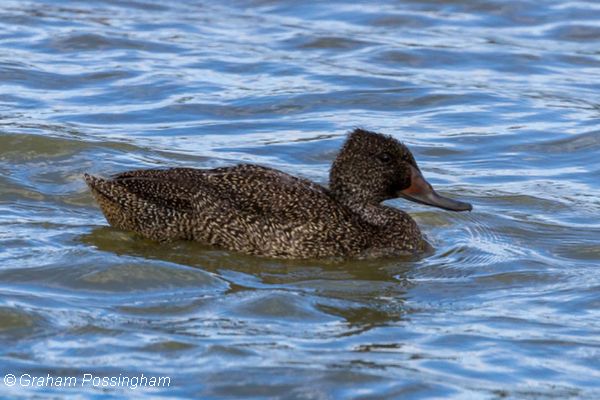
Endangered - Listed under FFG Act. Image courtesy of Graham Possingham.
My dark grey to black plumage is covered with small white flecks.
Found at McLeods Waterhole, Lake Lorne, Bonnyvale Road Wetland, Begola Wetland and Blue Waters Lake. View on e-Bird
Glossy Ibis
Plegadis falcinellus
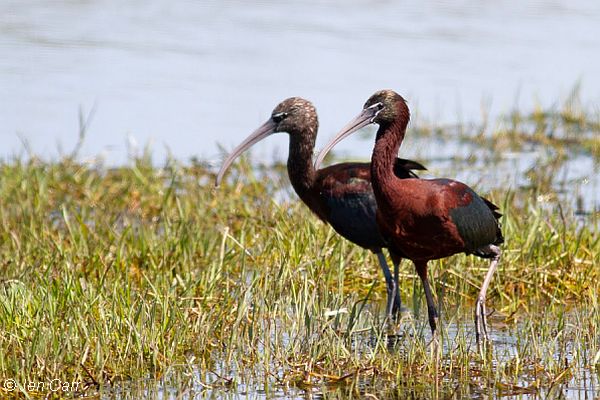
Near Threatened. Image courtesy of Jen Carr.
My feathers can look glossy green – purple depending on the light.
Found at Reedy Lake, Hospital Swamp, Charlemont , Sparrovale and Western Treatment wetlands. View on e-Bird
Gull-billed Tern
Gelochelidon nilotica (Sterna nilotica)
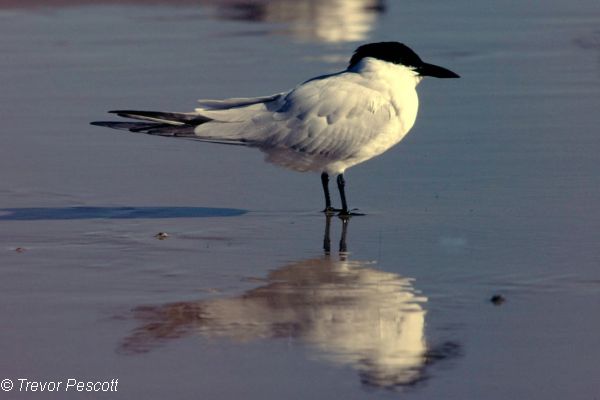
Endangered - Listed under FFG Act. Image courtesy of Trevor Pescott.
I rarely flock with other terns preferring to be single or in pairs.
Found at Lake Connewarre, Avalon Beach and Moolap Saltworks. View on e-Bird
Hardhead
Aythya australis
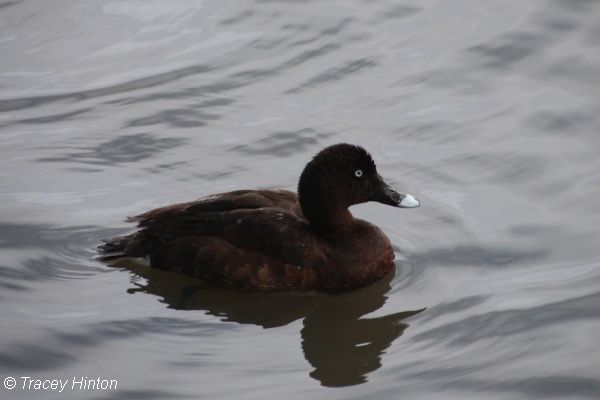
Vulnerable. Image courtesy of Tracey Hinton.
I am also known as White-eyed duck.
Mostly found at the Western Treatment Plant wetlands but also Point Henry, Bonnyvale Road Wetland,
McLeods Waterhole, Lake Lorne, Begola Wetland and Blue Waters Lake. View on e-Bird
Intermediate Egret
Ardea intermedia
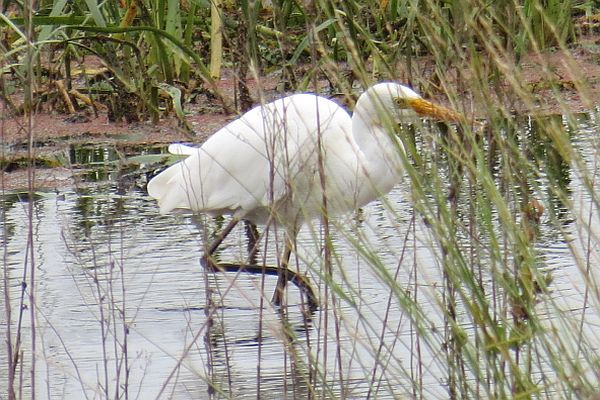
Endangered - Listed under FFG Act. Image courtesy of Ron Clissold.
I may nest on platforms of sticks in trees with other herons.
Found at Serendip Sanctuary, Lake Lorne, Hospital Swamp, Lake Victoria and Begola Wetland. Image courtesy of Ron Clissold. View on e-Bird
Latham's Snipe
Gallinago hardwickii
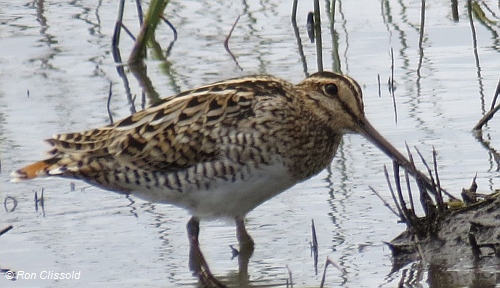
Near Threatened. Image courtesy of Ron Clissold.
I migrate from northern Japan to Geelong after breeding each year.
Found at Jerringot, McLeods Waterhole, Lake Lorne, Reedy Lake, Bonnyvale Road Wetland, Indented Head Woodland; Begola Wetland, Blue Waters Lake and Lara Wetlands. View on e-Bird; View on SWIFFT
Lewin's Rail
Lewinia pectoralis (Rallus pectoralis)
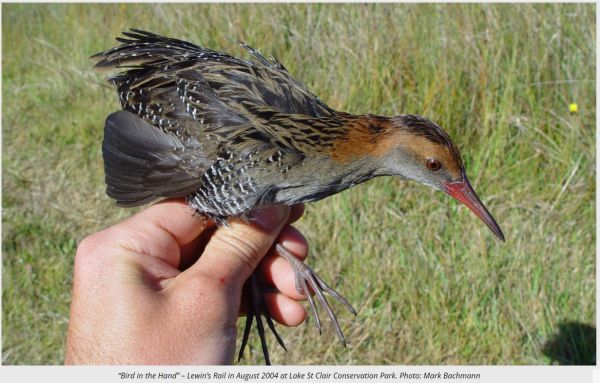
Vulnerable - Listed under FFG Act. Image courtesy of Nature Glenelg Trust.
I create saucer shaped nests in dense vegetation with tunnels for fast escapes.
Found at Lake Connewarre, The Spit, Avalon saltworks, Breamlea, Hospital Swamp, Swan Lake,Edwards Point, Swan Bay and Belmont Common. View on e-Bird; View on SWIFFT
Little Egret
Egretta garzetta nigripes
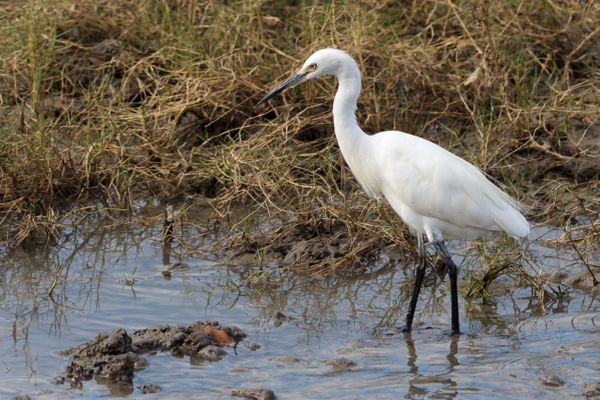
Endangered - Listed under FFG Act. Image courtesy of GFNC.
Unlike my cousins I have black legs but yellow feet.
Found at The Spit Nature Conservation Reserve, Limburners Bay, Lake Victoria, Avalon Saltworks, Moolap Saltworks, Bonnyvale Road Wetland, McLeods Waterhole, Lake Lorne, Begola Wetland; Blue Waters Lake and Western Treatment wetlands. View on e-Bird
Magpie Goose
Anseranas semipalmata
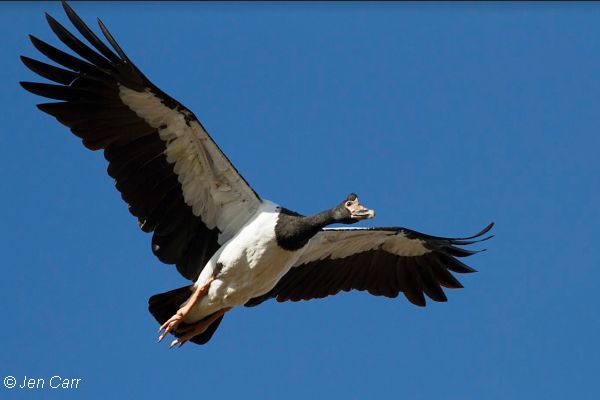
Near Threatened - Listed under FFG Act. Image courtesy of Jen Carr.
My yellow feet are only partially webbed.
Non-permanent population found at certain times on Reedy Lake, Belmont Common, Hospital Swamp, Moolap Salt Works, Point Impossible and Serendip Sanctuary. View on e-Bird
Musk Duck
Biziura lobata
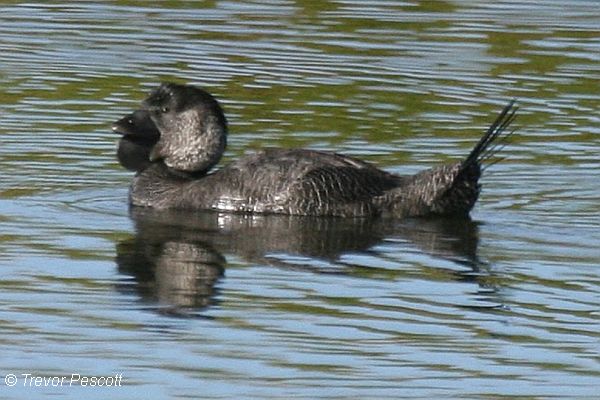
Vulnerable. Found at Lake Lorne and Blue Waters Lake. Image courtesy of Trevor Pescott.
I dive and search underwater for my food.
Mostly found at the Western Treatment wetlands but also Lake Lorne, Blue Waters
Lake, Swan Bay and Lake Victoria. View on e-Bird
Nankeen Night Heron
Nycticorax caledonicus
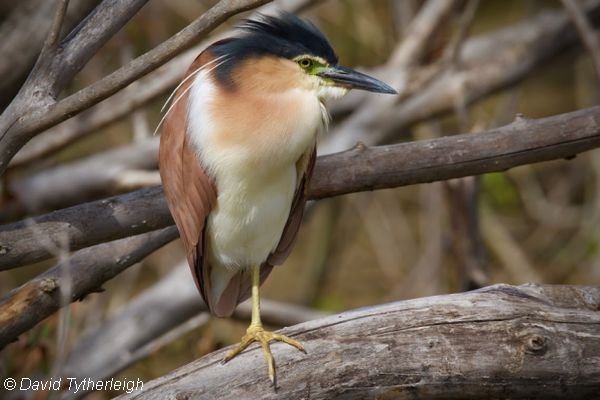
Near Threatened. Image courtesy of David Tytherleigh.
I come out at night to feed. I am also known as the Rufous Night Heron.
Found at Barwon River through Geelong, Bonnyvale Road Wetland, McLeods Waterhole, Lake Lorne; Begola Wetland and Blue Waters Lake. View on e-Bird
Orange-bellied Parrot
Neophema chrysogaster
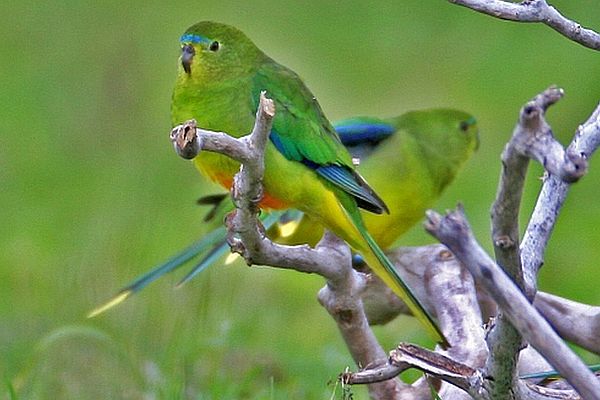
Critically Endangered - Listed under FFG, Act, Image courtesy of Bob McPherson.
I migrate from Tasmania to Victoria after breeding.
Found at coastal saltmarsh from Breamlea to Avalon. View on e-Bird; View on SWIFFT
Pied Cormorant
Phalacrocorax varius
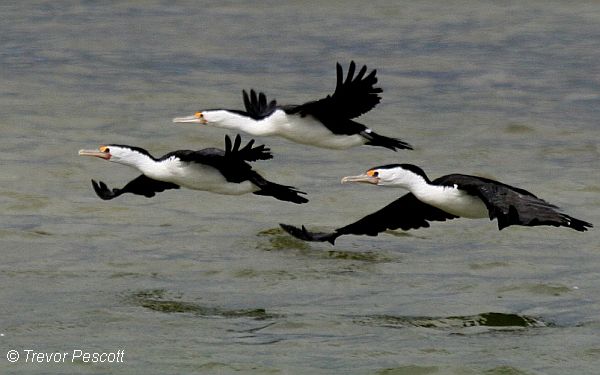
Near Threatened. Image courtesy of Trevor Pescott.
I use my large, webbed feet to propel myself through the water after fish.
Found at Bonnyvale Road Wetland, McLeods Waterhole, Lake Lorne, Blue Waters Lake, Edwards Point and Shell Foreshore. View on e-Bird
Royal Spoonbill
Platalea regia
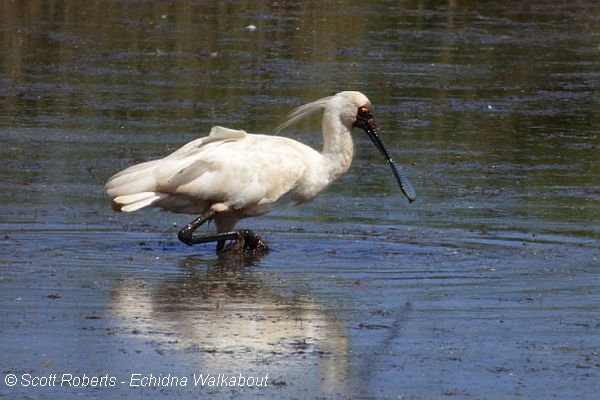
Near Threatened. Image courtesy of Scott Roberts - Echidna Walkabout.
In breeding season I develop a lush white crest on my head with red and yellow patches on my face.
Found at Swan Bay, Reedy Lake, Lake Connewarre, Begola Wetlands, Serendip Sanctuary, Moolap Saltworks, Jerringot, Balyang Sancutary, Lara Lakelands Wetlands, Point Henry and Breamlea,
Whiskered Tern
Chlidonias hybrida (Chlidonias hybridus)
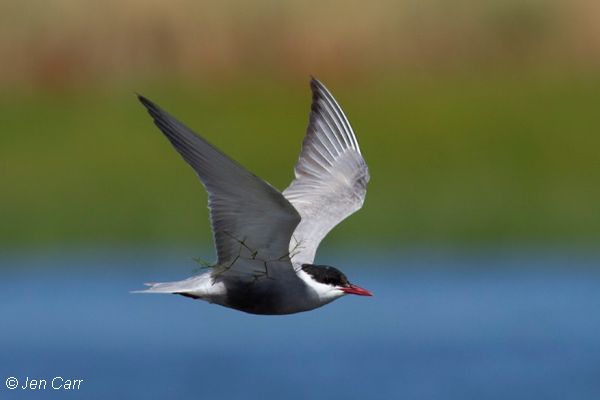
Near Threatened. Image courtesy of Jen Carr.
I was once known as ‘Marsh Terns’
Found at Western Treatment wetlands, Freshwater Lake (near Point Lonsdale), Old breakwater on Barwon River, Reedy Lake, Sparrovale and Kirk Point. View on e-Bird
White-bellied Sea-Eagle
Haliaeetus leucogaster
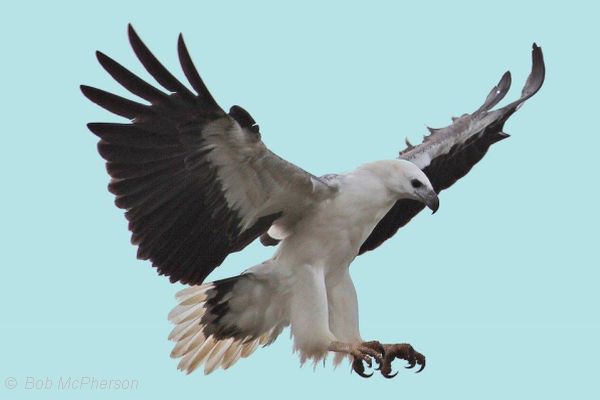
Vulnerable - Listed under FFG Act. Image courtesy of Bob McPherson.
I am a skilled hunter, and will attack prey up to the size of a swan.
May be found at Swan Bay, Moolap Wildlife Sanctuary and north side of Corio Bay between Beacon Point and Western Treatment wetlands. View on e-Bird
Wood Sandpiper
Tringa glareola
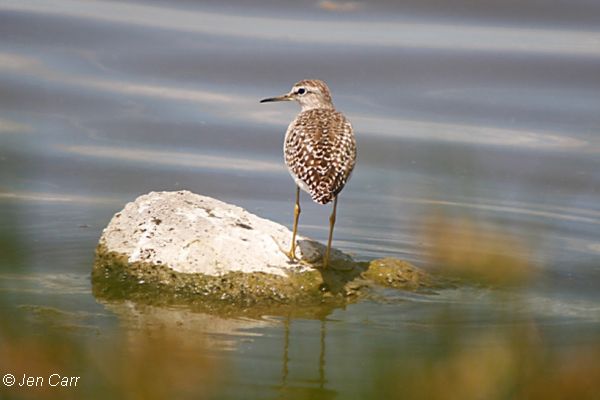
Vulnerable. Image courtesy of Jen Carr.
When startled I zig-zag through the fallen timber in my fresh water wetlands home.
Found at Reedy Lake, Hospital Swamp and Western Treatment wetlands. View on e-Bird
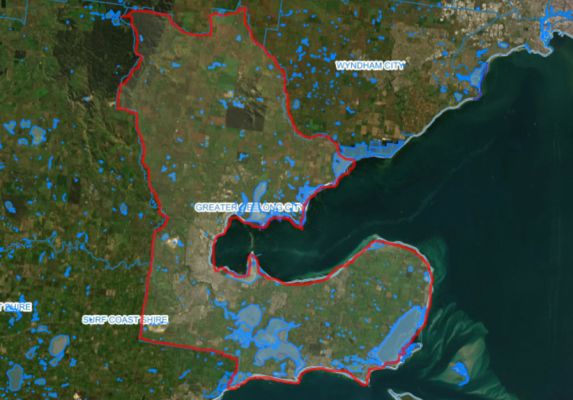
Wetlands in the City of Greater Geelong on Visualising Victoria’s Biodiversity – interactive map.
Species records sourced from the Victorian Biodiversity Atlas, (VBA), Department of Environment, Land, Water and Planning, January 2020.
Alphabet bird project 2020 - school art
Featured below is a selection of art work related to each of the 26 species of threatened birds in the City of Greater Geelong area. These art works form part of the Alphabet Bird Project and were produced by year 4 students using scrap paper, glue, imagination and creativity.
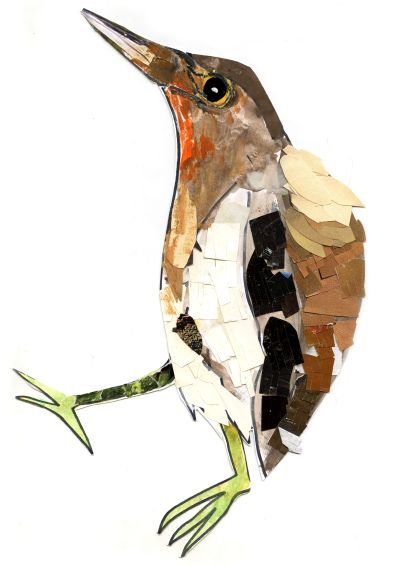
Australasian Bittern
Newtown Primary School - Lilly C.
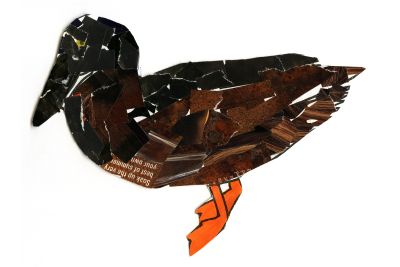
Australasian Shoveller
Geelong Lutheran College St Johns - Isabelle T.
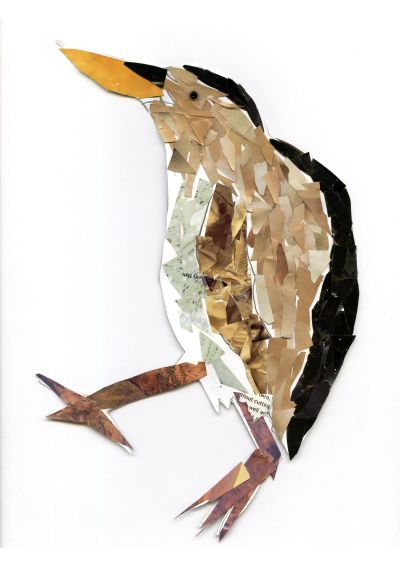
Australasian Little Bittern
Newtown Primary School - Lilly C.
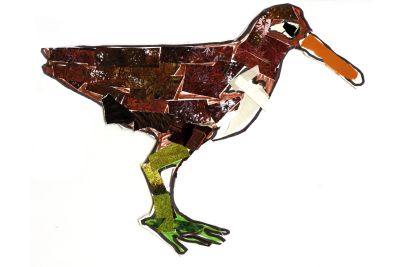
Australian Painted Snipe
Ashby Primary School - Mabel.
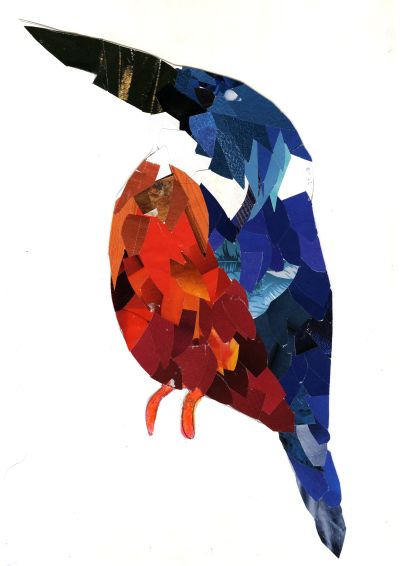
Azure Kingfisher
St Roberts Primary School - Ella.
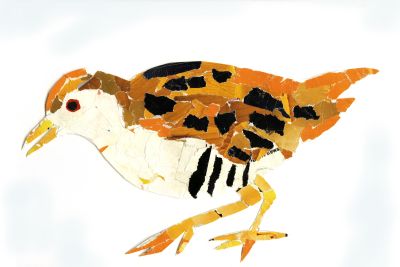
Baillon's Crake
Our Lady Star of the Sea Primary School - Ivy K.
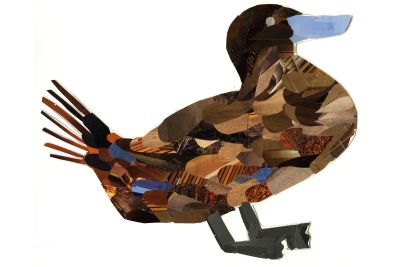
Blue-billed Duck
St Roberts Primary School - Aaliyah.
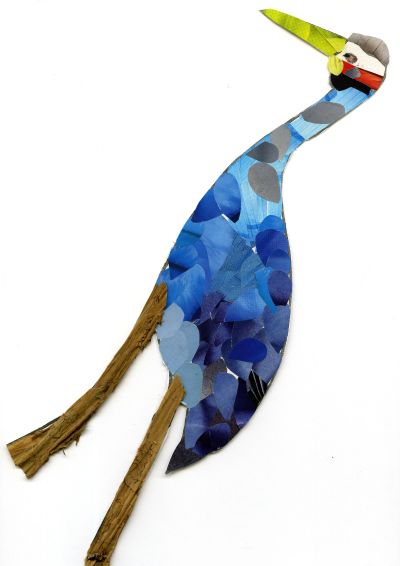
Brolga
Geelong Lutheran College - Holly R.
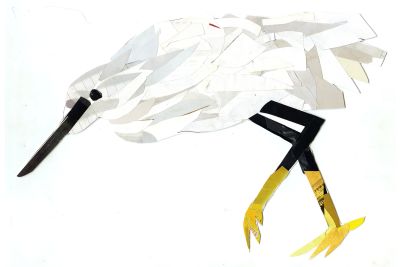
Eastern Great Egret
St Roberts Primary School - Annabelle.
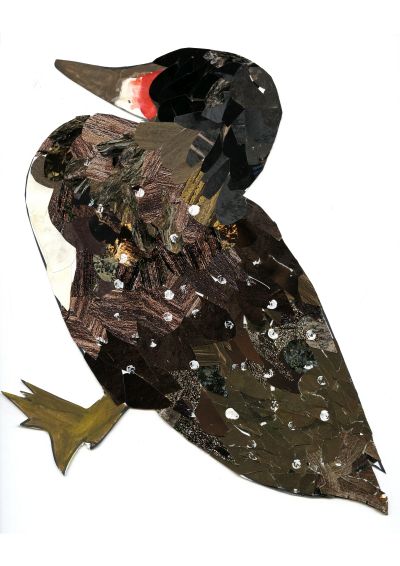
Freckled Duck
Geelong Grammar Bostock House - Amelie.
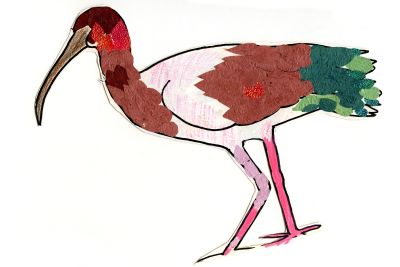
Glossy Ibis
Mount Duneed Regional Primary School - Charlotte N.
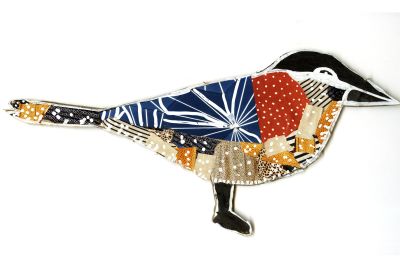
Gull-billed Tern
Hamlyn Banks Primary School - Sophie and Indi.
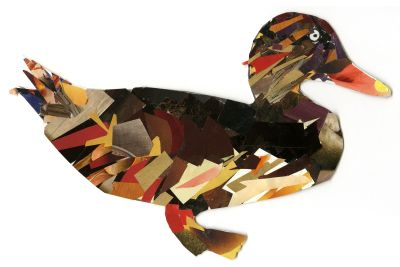
Hardhead Duck
Geelong Lutheran College - Indi C.
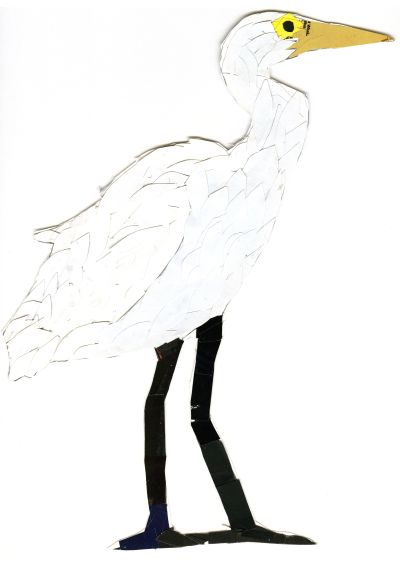
Intermediate Egret
Holy Family Primary School - Josh E.
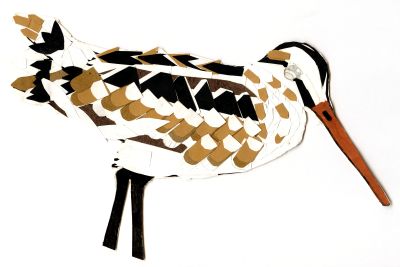
Latham's Snipe
St Anthonys Primary School - Sophie W.
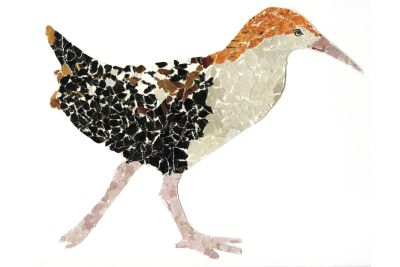
Lewin's Rail
Our Lady Star of the Sea Primary School - Ava S.
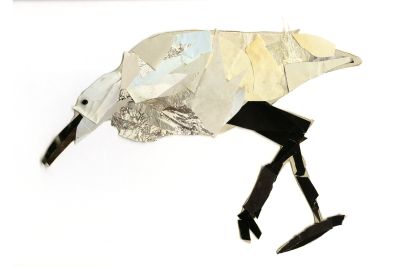
Little Egret
Newtown Primary School - Zoe S.
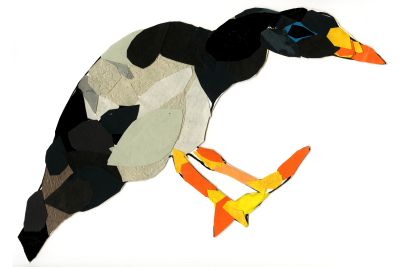
Magpie Goose
Mount Duneed Regional Primary School - Kaiden F.
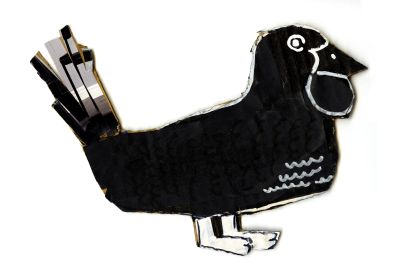
Musk Duck
Hamlyn Banks Primary School - Jed and Caiden.
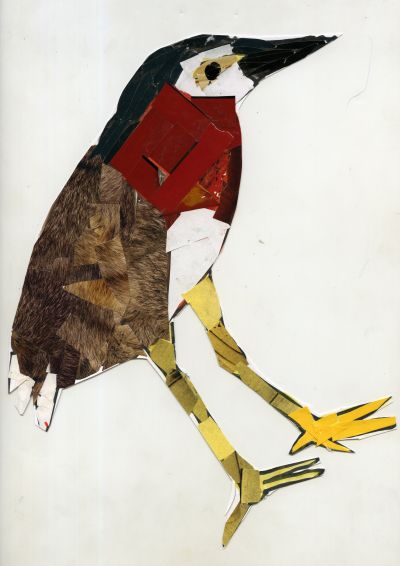
Nankeen Night Heron
Chillwell Primary School - Annabel.
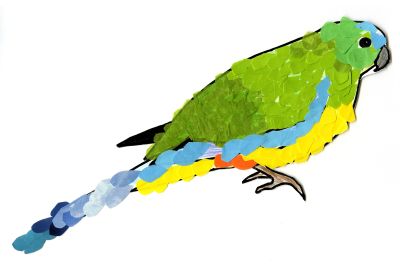
Orange-bellied Parrot
Belmont Primary School - Milla.
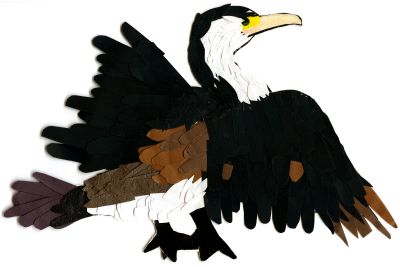
Pied Cormorant
St Anthonys School Primary School - Scarlett.
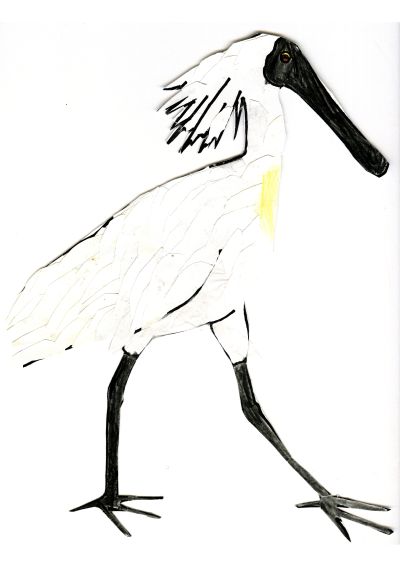
Royal Spoonbill
Belmont Primary School - Lila.
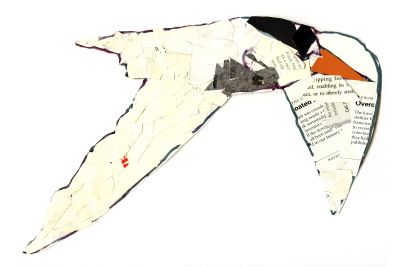
Whiskered Tern
Surfside Primary School - Ryan.
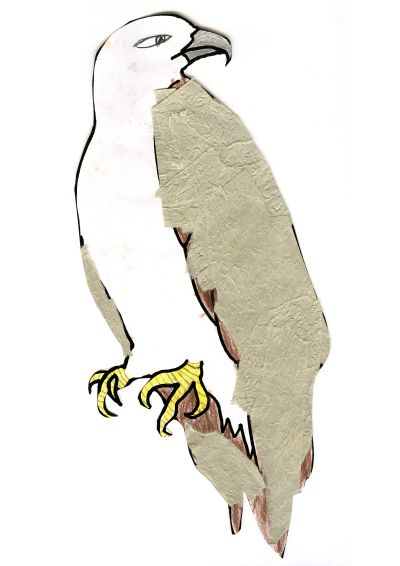
White-bellied Sea Eagle
Whittington Primary School - Jasper E.
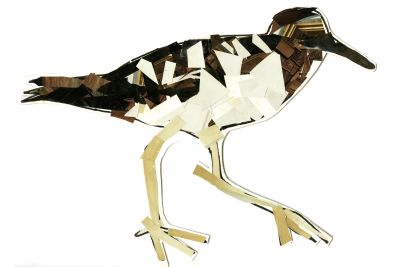
Wood Sandpiper
St Marys Primary School - Stanley.
See also;
- List of Threatened fauna City of Greater Geelong
- Threatened species profiles on SWIFFT
- Now You See Us - Art project based on the 84 species of threatened birds in the City of Greater Geelong.
- View a selection of art works by year 4 students in 2020
This page has been prepared with the assistance of Geelong Field Naturalists Club and the City of Greater Geelong.